where professional dinkers live
we've all been to dinkerton...
Pickleball is more than a sport — it's the Saturday morning ritual with your closest friends, the post-dinner game that turns into three, the reason your family finally agrees on something. dinkerton crafts premium, performance-driven gear for the players who take those moments seriously. From precision-balanced paddles to luxury court apparel cut from the finest materials, every piece in our lineup is designed for those who demand excellence on the court and refinement off it. This isn't gear for the casual rally — it's equipment for the obsessed, the competitive, and the ones who believe the game is best played with the people you love most. Step onto the court with dinkerton, and play like you mean it.


a brief history of pickleball
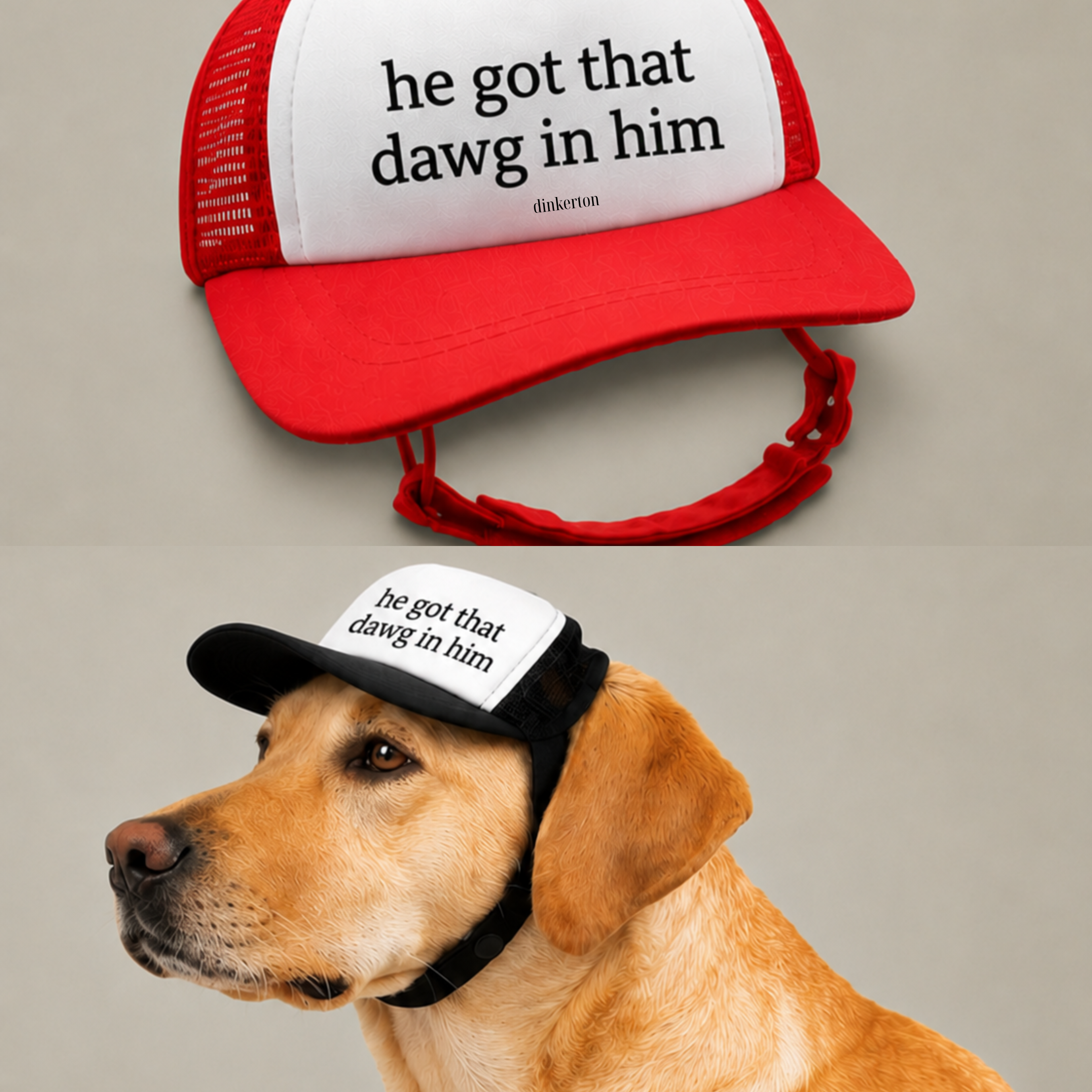
Pickleball was invented in the summer of 1965 on Bainbridge Island, Washington, by three friends — Joel Pritchard, a state senator and future U.S. Congressman; Bill Bell, a Seattle businessman; and Barney McCallum, an envelope salesman with a workshop and a craftsman's eye. Returning home from a round of golf to find their families restless, Pritchard and Bell improvised a game on a faded backyard badminton court, using ping-pong paddles, a perforated plastic ball, and a net lowered to thirty-six inches. McCallum joined the following weekend and helped shape what would become the sport's defining innovations: the seven-foot non-volley zone known as the kitchen, and the double-bounce rule that turned every point into a genuine rally. The name, despite a beloved myth involving the family dog, came from Joel's wife Joan, a rowing fan who likened the hodgepodge of borrowed equipment to a "pickle boat" — the crew assembled from leftover oarsmen of other teams.
For its first four decades, pickleball grew quietly. The founders incorporated Pickle Ball, Inc. in 1968, the first known tournament was held outside Seattle in 1976, and a national governing body — today's USA Pickleball — was established in 1984. Throughout the 1990s and 2000s, the sport found its most devoted early audience in active-adult communities across Florida, Arizona, and the American Southwest, where retirees rebuilt their athletic lives around its low-impact, deeply social character. Sun-drenched courts in places like The Villages became unofficial capitals of a sport the broader country still hadn't noticed. That generation of players — the volunteers, the ambassadors, the morning regulars — built nearly every cultural institution pickleball has today.
Then came 2020. As the pandemic closed indoor recreation and pushed families outside, pickleball arrived precisely when America needed it. Participation has since climbed from roughly four million players in 2020 to more than twenty-four million in 2025, making it the fastest-growing sport in the country for five consecutive years. The demographics have widened to encompass every generation, with millennials now the largest age group and teenagers the fastest-growing, but the sport's founding spirit has remained intact: it was designed, from the very beginning, to give people of any age, ability, or athletic history a reason to stop watching and start playing. Sixty years after a few bored teenagers were handed mismatched paddles on a damp Saturday in Puget Sound, pickleball is still doing exactly what its founders intended.
© 2025 Eco Essentials